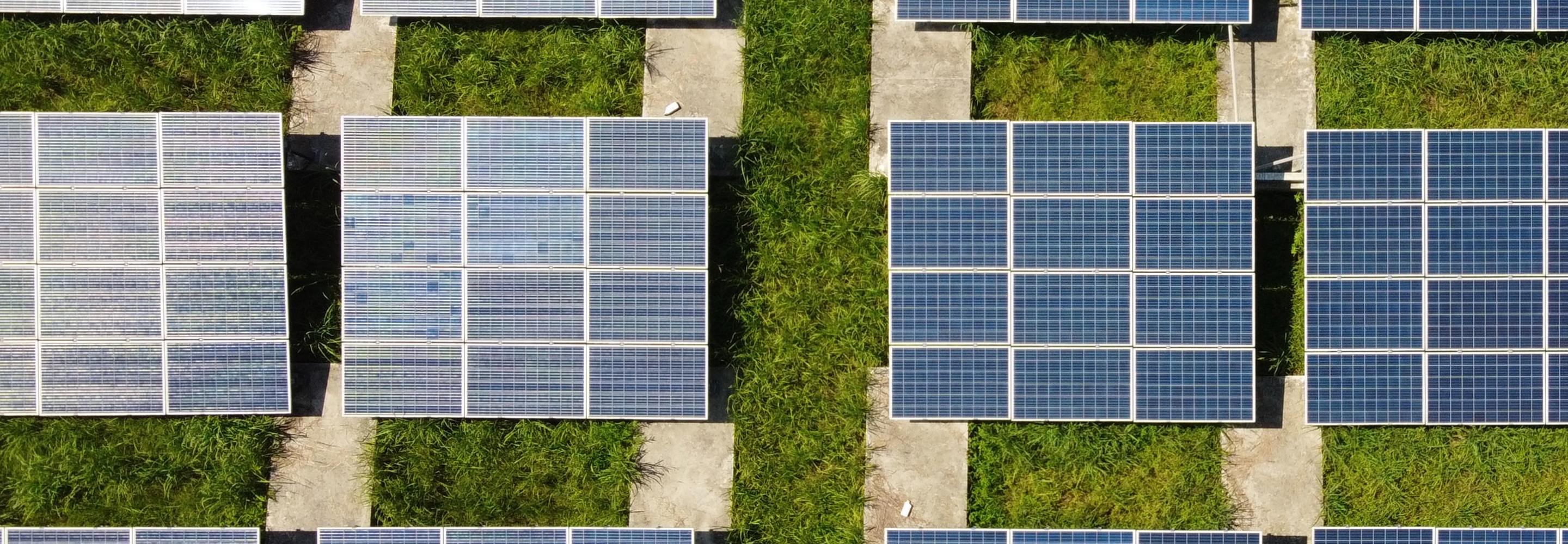
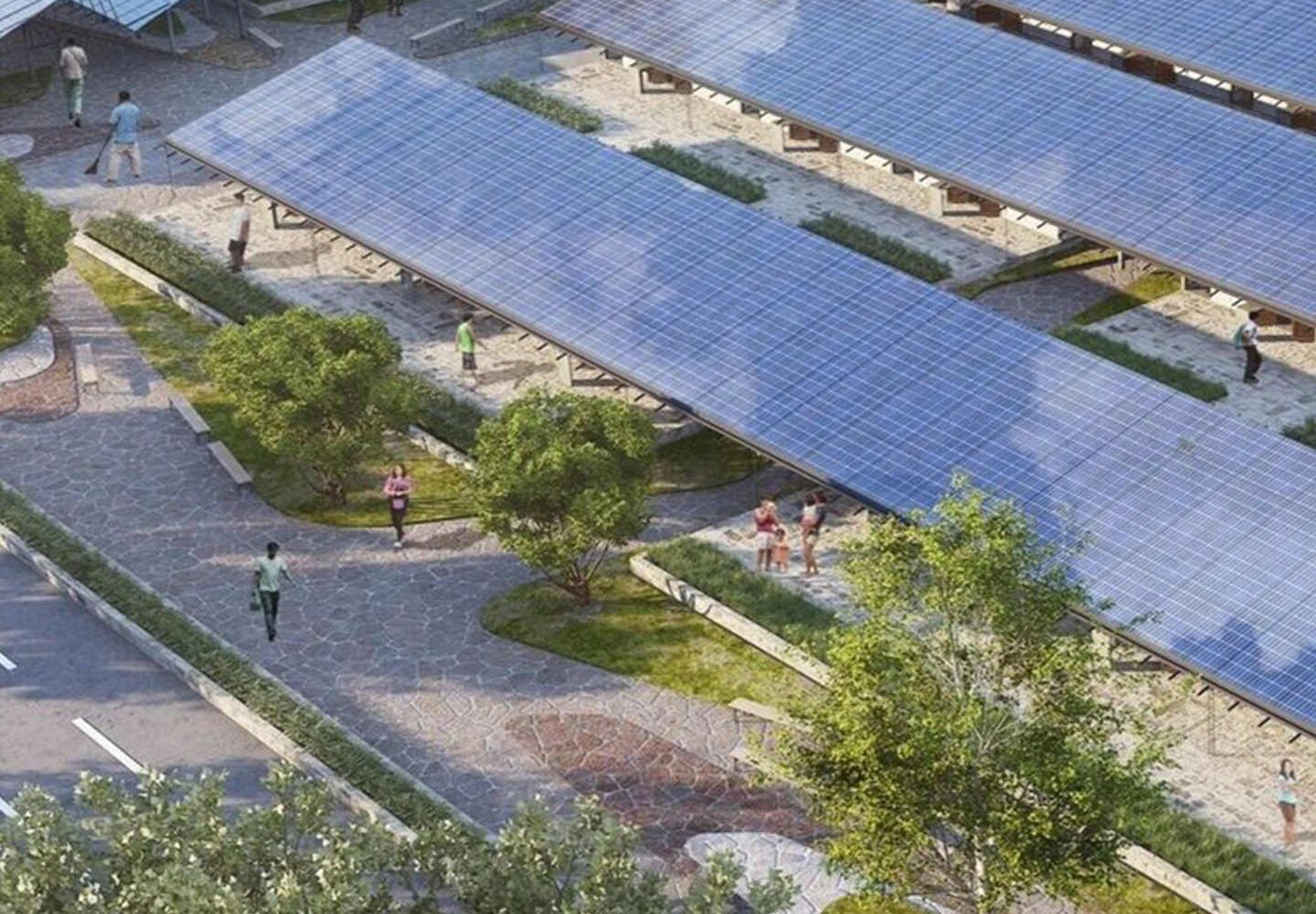
Opportunity: BillionBricks is leading a new era of sustainable solar housing. Rather than rooftop solar panels supplying electricity to the houses they sit upon, BillionBricks is looking to aggregate the electricity generated from community housing projects to sell to energy providers and then offset the cost of the house. So BillionBricks will be the providers of carbon-negative, self-financing and scalable community housing. BillionBrick will then look after the maintenance of the solar panels, so the owners can sit back and have their mortgage subsidised by the solar panel. Meanwhile owners can benefit from homes that are self sustaining and contributing to a broader community
Insight; Through Design Singapore’s Frame & Scope Grant, Tangible and Spire Research & Consulting embarked on a study to better understand where in the Philippines the pilot community project should be situated. Who would be the ideal target customers? What would they be prepared to pay? And what features would they prefer for their property?
Result: The prototype Sienna Net-Zero in Quezon City (Philippines) has successfully scaled into a massive 16-hectare development in the Philippines. The community houses 1,600 residential units and boasts a clean power generation capacity of 13 MW. Using a simple passive design to stay naturally cool, each home features a roof covered entirely with 18 solar panels, and generates 9 kW peak of energy (4.5 to 5 times more electricity than a standard household of that size consumes). The cash generated from the excess power grid sales directly subsidises and covers the residents' home mortgage payments.
BillionBricks raised a major US$2.45 million seed funding round and the modular housing models won a global Holcim Foundation Award for sustainable construction. tackle both the global 1.8 billion-person housing deficit and climate change concurrently
Understanding customer preferences for marketing channels and then aligning construction and marketing roadmaps allowed Tangible to develop a pre and post-launch marketing implementation roadmap for the project. This roadmap then enabled Tangible to plot key dates for BillionBricks to apply for other government grants.
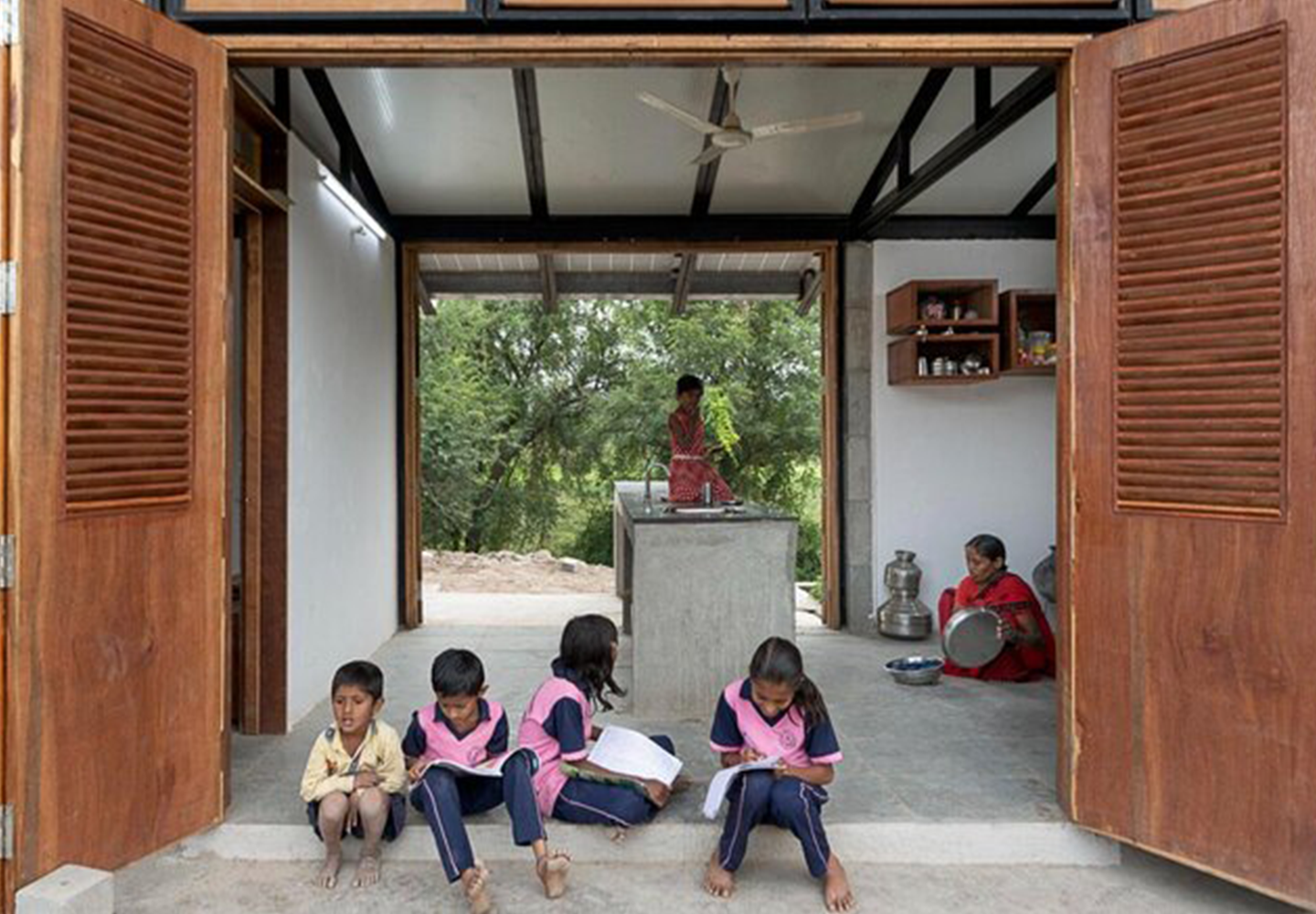
Through the various research methodologies, Tangible was able to develop a clear picture of the target audience for the pilot project. Their income brackets, typical professions, preference drivers and their willingness to purchase a BillionBricks property, as well as some of their concerns about buying a community home with a Solar Roof.

Through the market research together with Spire Research & Consultants, Tangible was able to understand the needs and expectations for different types of community housing. There are three broad categories of community housing: ‘Social’, ‘Economic’ and ‘Affordable’ categories, all with slightly different; price points, floor areas and design expectations. This enabled Tangible to plan out what an ideal community housing project should include and take the finding into an ideation workshop with Billion Bricks to identify the optimal mix of housing types , designs and price points.

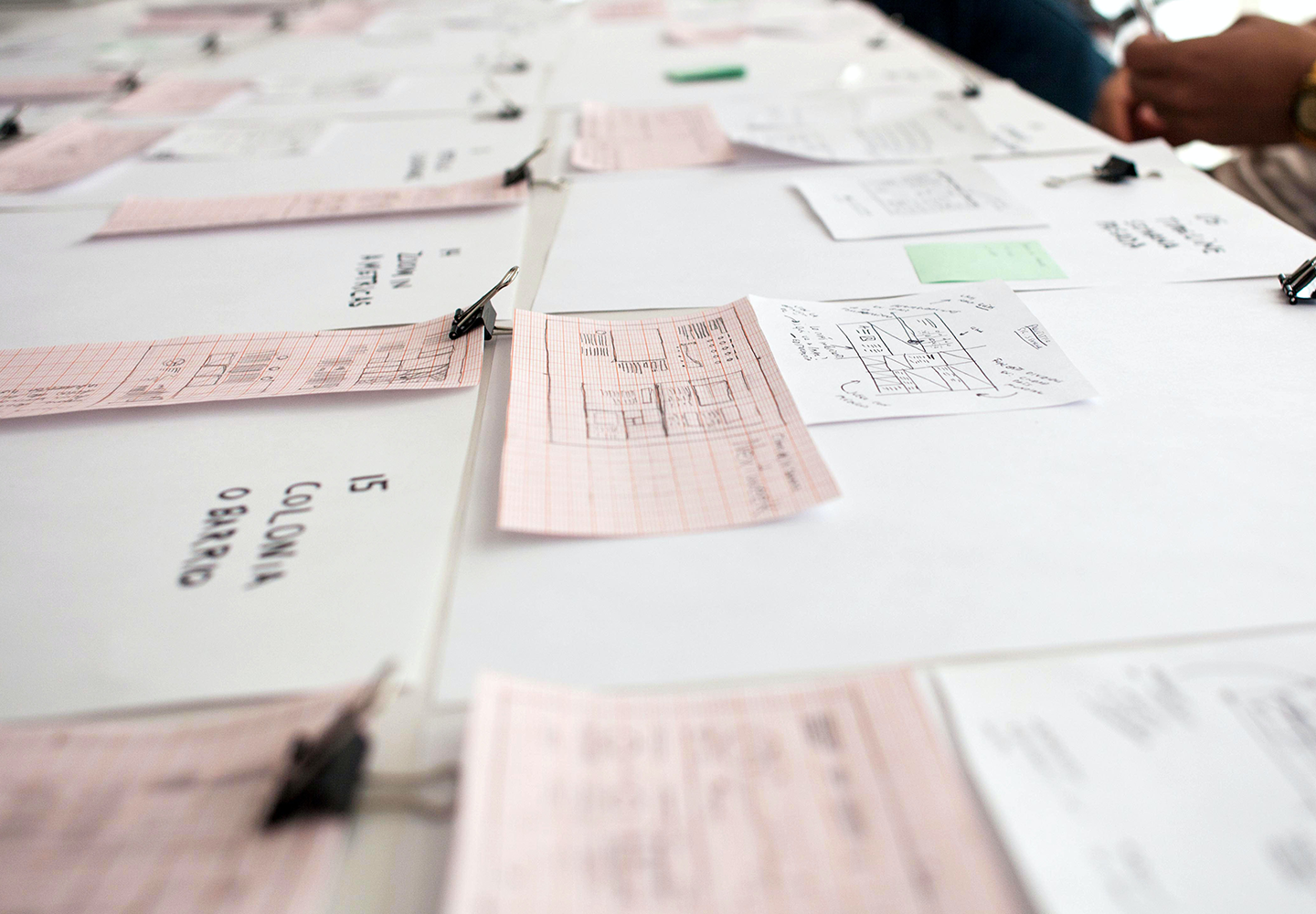
The Frame & Scope process includes an ideation work session with the client, after the research was completed. We understood what different income brackets were looking for, in terms of house type and features within the property and community but the ideation sessions allowed us to align this with BillionBricks ambitions. As part of this process Tangible also review what other funding is available.
Visit: BillionBricks